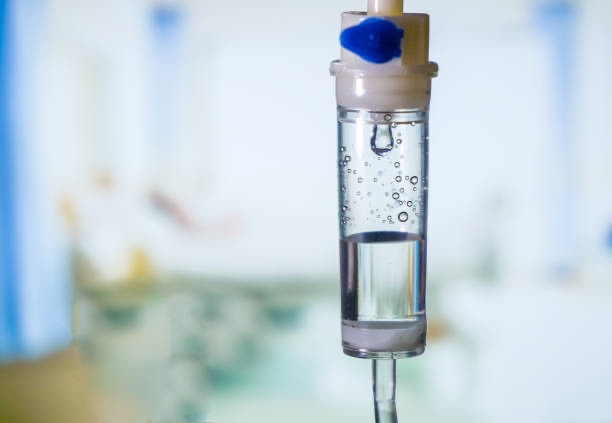
One of the bright spots in a Pompe Disease diagnosis is that there is treatment. This is a weekly/biweekly infusion lasting an average of 6 hours, that replaces some of the enzyme that patients do not make enough of. This slows the disease progression down, but is not a cure.
For some families, being at an infusion center this often for this amount of time is incredibly taxing and inconvenient. Especially if families are driving long distances, or if the patient is a child. Having a child in a hospital room for over half of their waking day is hard. Luckily, some have the option to switch to home infusions. This means that an infusion nurse or trained family member administers the life saving medication in the comfort of their own home.
A mother of two young boys with Pompe Disease recalls their journey of transitioning from outpatient infusions to home infusions. Kendra noted that they drove long distances for biweekly infusions because they were involved in trials for pediatric use of Lumizyme at the time. (Side note: can we take a minute for thanks and praise to all the brave and amazing people who participate in clinical trials?! They literally pave the way for the future and make such a huge impact in the lives of others!)
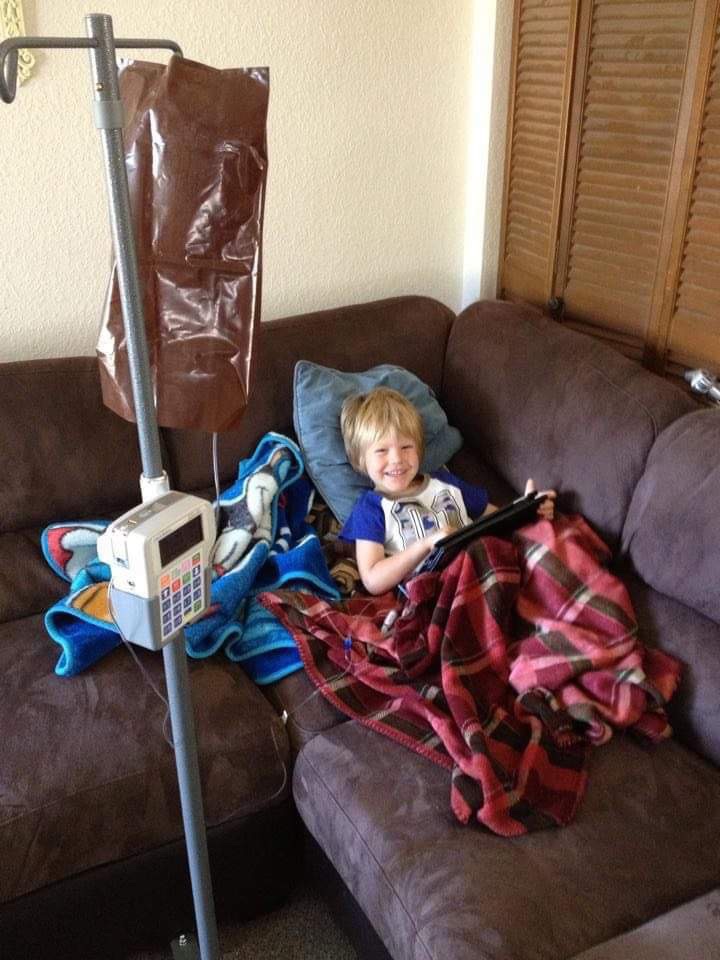
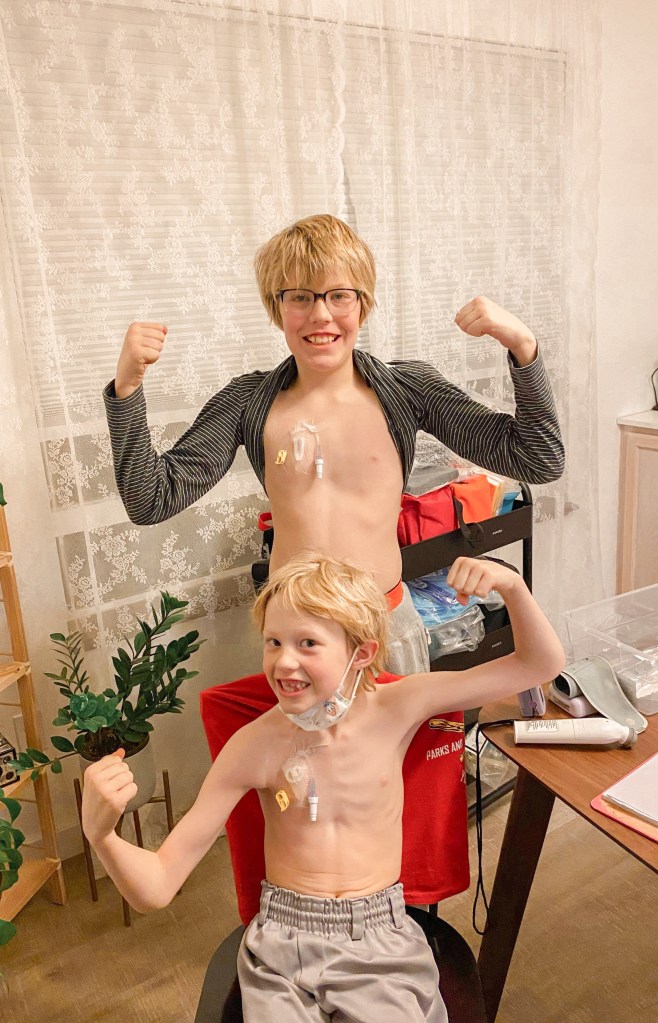
After two years of outpatient infusions, Kendra asked to begin moving these to home. She doesn’t recall any push back while initiating this and felt their doctor was supportive. However, the transition was not as smooth as one would hope. Her son had a port, which is an implanted device located at the chest which provides IV access for patients receiving long term infusions. To access this device, a special needle is inserted into the port and remains during the infusion. As you can imagine, this can induce a lot of fear and anxiety for some children. As her son experienced this anxiety and fear, which was only heightened by inexperienced and inconsistent nurses, Kendra asked to access the port herself. She proved after 4 years of observing that she understood the process and her son did so much better too. It’s important to note that this medication is uncommon to administer and too expensive to mess up. The mixing and administration process is specific and tedious and unless you are use to doing it, it can be incredibly overwhelming—even for a nurse. Because of the rarity of this disease and medication, this is not common knowledge by any means.
As consistency, safety, and staffing proved to be an issue that often caused much frustration for this process, Kendra eventually took over doing the mixing and infusing herself. She had the experience observing and asked lots of questions to learn the process and gradually began to implement what she learned as the pandemic left her little choice. With limited staff, back ups, and the risk for exposure to Covid causing extra stress, Kendra slowly began to take over duties. She admits that there was some anxiety in the beginning but she now feels security in knowing that the medications are delivered consistently and correctly. She notes feeling extremely grateful for one nurse in particular who made a world of difference in their journey and helped prepare her for taking this over.
Kendra states, “Home infusions have given us more freedom. Those first two years, Kamden was 1-3 years old, were so hard! As part of the clinical trial, they paid for us to fly to the hospital for his infusions and appointments. This was wonderful and such a blessing for those two years. But it was also so exhausting traveling so much, alone with a toddler.
Home infusions means my boys miss less school and we have a little flexibility to move infusion days around events as needed.” She also offers some advice for anyone considering transitioning to home infusions:
“Ask all the questions! I’m still working on this but have gotten better. Ask your nurse/s if something seems different than previous infusions, ask why. Sometimes, different nurses have different methods but some things need to be done according to doctors orders or medication rules. For example, at the end on an infusion, the line needs to be flushed to clear the remaining medication. We had one nurse push it by hand when it should have been set at the last rate the medication ran at. This may not be a huge deal, and maybe it is ok for some medications, but the rates are important for Lumizyme and Nexviazyme to reduce the risk of an infusion reaction.
And even though it’s generally not recommended to get advice from Facebook, there are many groups of patients, of moms and dads. Don’t be afraid to ask your questions there too. There are several of us who do our kids’ infusions or who’s kids are getting their infusions at home. Join our communities and groups and lean on those who have been through it. There’s nothing I love more about this process than to share what we’ve been through with the hope that it help’s another family or mom during these hard times.”
Huge thank you to Kendra for sharing her experiences and taking the time to discuss this topic with me so that it may be of help to others.


Leave a comment