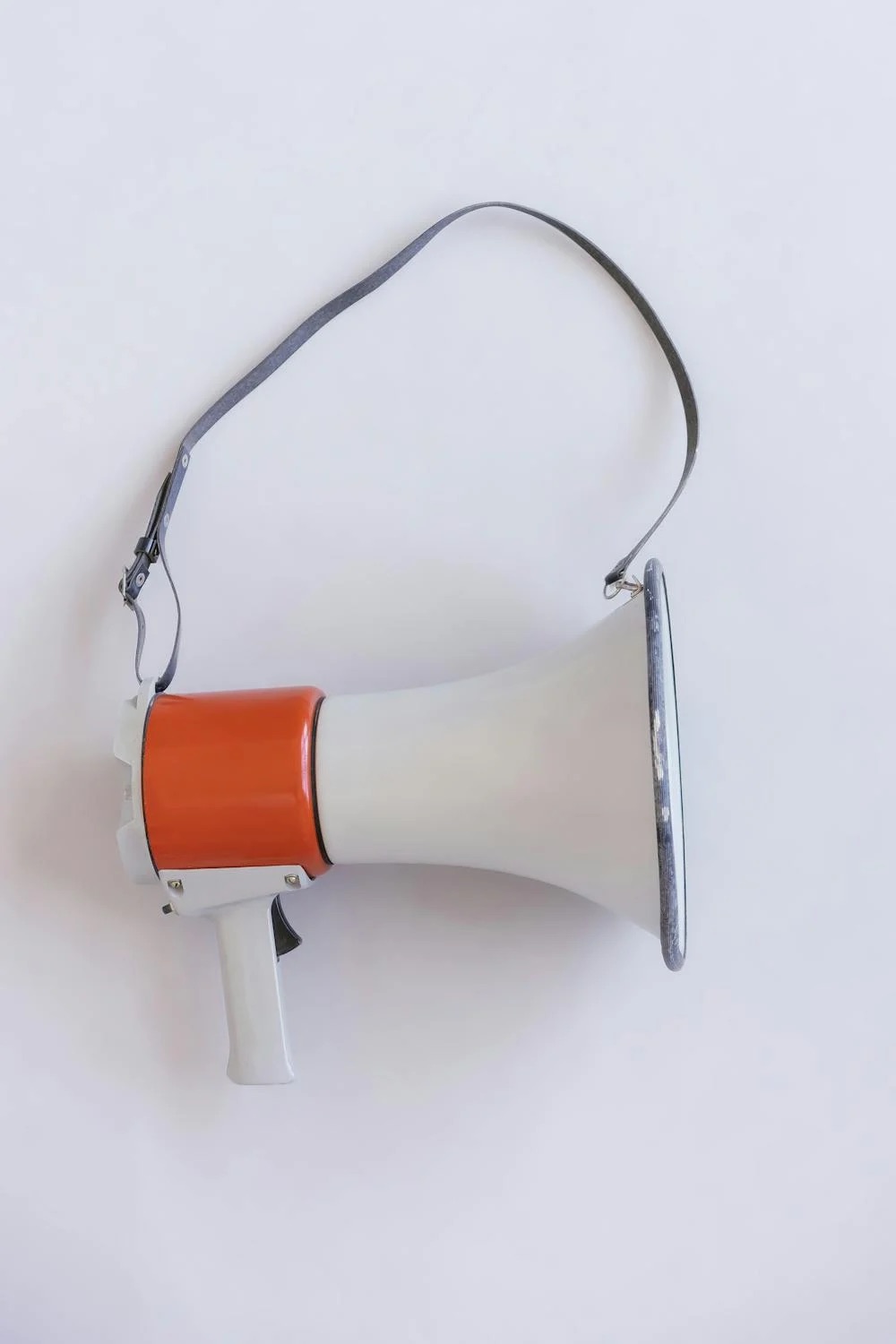
A disease which is not well understood by the majority has its disadvantages at each turn. It’s not realistic to expect that people who have never heard of this to understand all that it entails, and while I understand that, it’s still hard. This reality propels you into a position that requires grit, grind, and an unrelenting voice. The fact is, you will not get what you need from a system that does not understand your needs, and in order to make those known, you must advocate.
Being an advocate is such an inspirational thing to be, but it is not without its obstacles. In truth, advocacy makes me feel defeated just as many times as it makes me feel proud and accomplished. The amount of mental energy it takes to educate others and demand understanding for our loved ones is truly overwhelming at times. While I know it’s for the greater good, on a bad day it feels like an uphill battle. I have to make people see. I have to make people care. I have to ripple still waters to ensure my child gets what she needs and raise awareness.
With a rare neuromuscular disease, we celebrate the abilities. We are so grateful for the things that are going well and never forget how much worse it could be. It’s this mentality that keeps us upbeat and forward-moving. However, with advocacy efforts, you have to make people see the harder realities. For progressive diseases like Pompe, these things often go unnoticed by the untrained eye. Deterioration can be subtle with a slower progressing subtype and it can fall into the “invisible illness” category. This is a tricky place to be and often means families like mine will encounter ignorance, lack of empathy, and dismissive attitudes. As a parent I have to demand people behave differently and that is sometimes a hard position to be in. The squeaky wheel gets the oil but it also gets the reputation, the heightened emotion, and the judgement. It’s hard for me to know I’m being difficult. It’s not fun to see that my words and emotions make others uncomfortable. I don’t enjoy repeating long-winded explanations over and over to people who just don’t understand, but I also know I have to. If I don’t, people like my daughter will be set aside and forgotten and I refuse to sit idle and watch that be her reality. I only hope she’s taking notes because as she matures through a life of living with progressive disease, she will need to be her own advocate too.
It’s a weird and uncomfortable thing to fight for understanding. I’ve spent much of my own lifetime teaching myself not to care what others think but in a situation like this, I have to care. I have to make them believe her. I have to demand that they understand her experience and accommodate her needs. Four years into this and I’m learning can’t make everyone see. Some people are not going to give attention to something that isn’t blatantly alarming with bells and whistles. Lately I have found myself feeling as though this is a battle I’ll be involved in until she is so severely affected that it’s obvious to an outsider. I worry that she will only be validated when she has an obvious disability or device and that has truly affected my faith in humanity. But I also know that the only way to change that is to use my voice in a tactful way that demands attention to education and empathy. I know this will not always bring success but I have to try. I cannot find myself meek in the face of injustice.
Change doesn’t happen among the calm. In order to change the way this disease is understood, we have to insert ourselves and speak with our chest. We must prove our perspective and help others learn. Sometimes this feels uncomfortable and gets ugly, but you are fighting for the people who are at a disadvantage of no fault of their own—and they deserve that fight. I hope that my words will stay with others and encourage ears which listen. If you find yourself in a conversation with a person who is trying to make you understand their point of view with passion and emotion, I hope that you will understand that it is coming from a place of good, even when it feels like confrontation. I hope that you can be humble and open to learning.
I also hope that you know that there will come a day when you need someone else’s voice to ensure your best outcomes, and remember then, that an advocate is not always an easy thing to be.
 Perspectives of The Pompe World
Leave a comment